LADOT Safe Routes for Seniors
Location
Los Angeles, CA
timeline
2022-2025
Role
Consultant
Services
More Info
The City of Los Angeles Department of Transportation, in partnership with City Fabrick and a multidisciplinary consultant team, developed Safe Routes for Seniors (SRFS) Plans for five neighborhoods across Los Angeles.
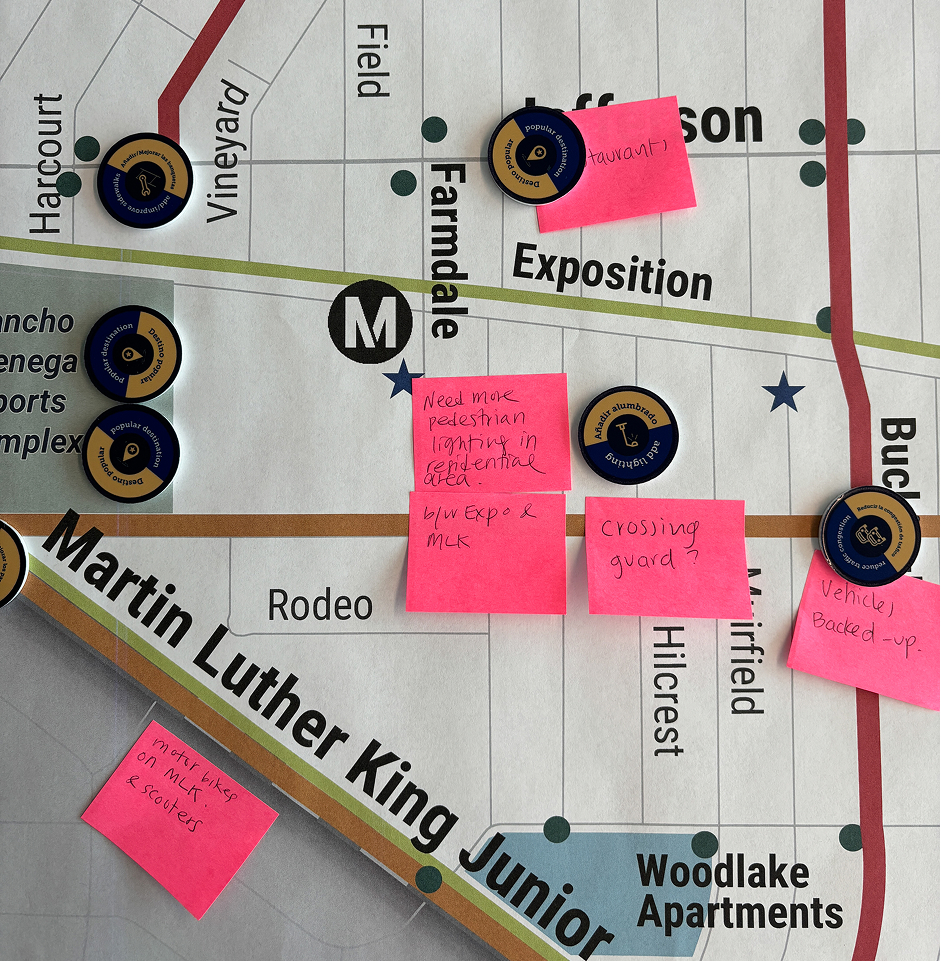
The five neighborhoods, Chinatown, South LA, Rancho Park, Expo/Crenshaw, and Downtown (Skid Row and Little Tokyo), were pre-selected through a data-driven process that considered higher concentrations of older adults, elevated collision rates, the presence of senior centers, high levels of pollution and social vulnerability, hotter-than-average temperatures, and low rates of car ownership. Each neighborhood plan identifies mobility needs and recommends active transportation improvements that strengthen connections to local destinations, with the goal of improving quality of life for older Angelenos. The SRFS Plans include engineering-feasible, grant-ready concept designs that were shaped and vetted by older adult community members and are intended to support future funding applications. SRFS employed a dignity-centered approach that elevated the voices and lived experiences of older adults, empowering them as leaders to identify priority routes, destinations, and recommendations for further improvements.
Urban + Systems
Planning + Policy
City Fabrick supported in plan development for the Safe Routes for Seniors initiative, partnering with Toole Design Group and LADOT to translate community-identified needs into actionable, implementation-ready outcomes. Our team integrated data analysis and on-the-ground engagement to shape neighborhood-specific plans that advance age-friendly mobility and transportation equity. Through close collaboration with older adult leaders, we helped develop engineering-feasible, grant-ready concepts and policy recommendations that can inform future funding, capital programming, and citywide approaches to senior mobility.
Building + Interior
Landscape Architecture
Graphic
Engagement
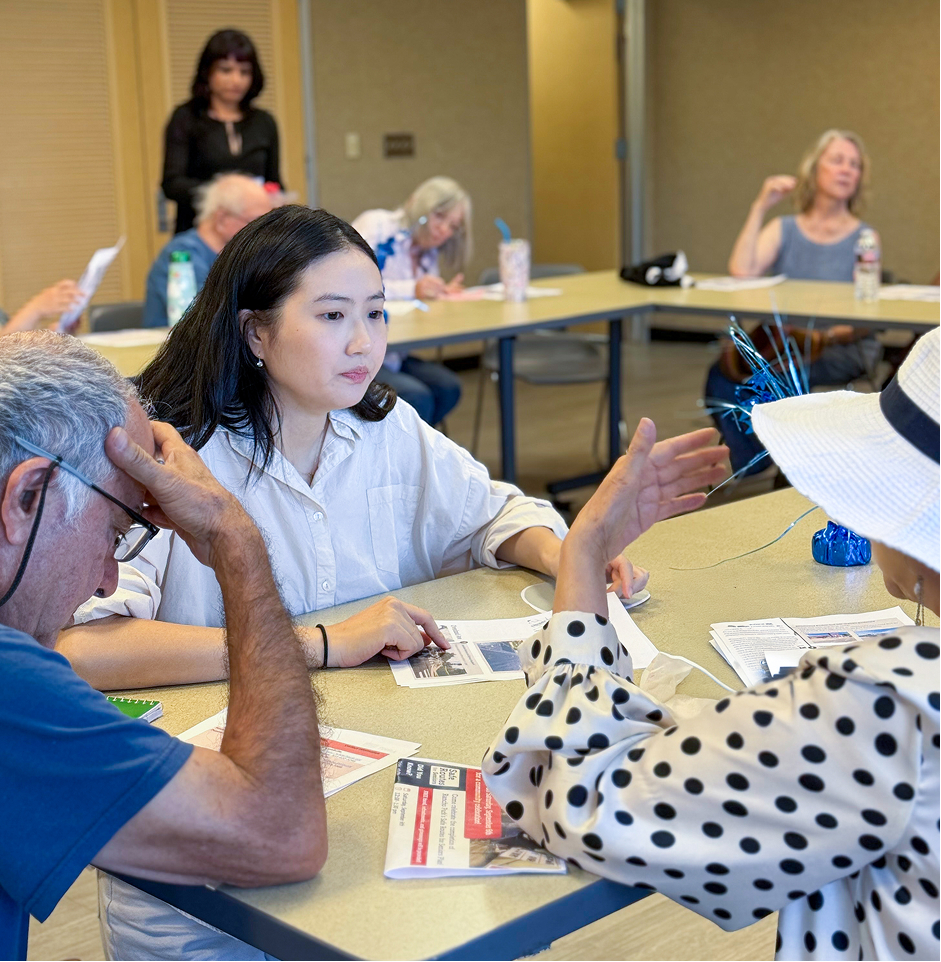
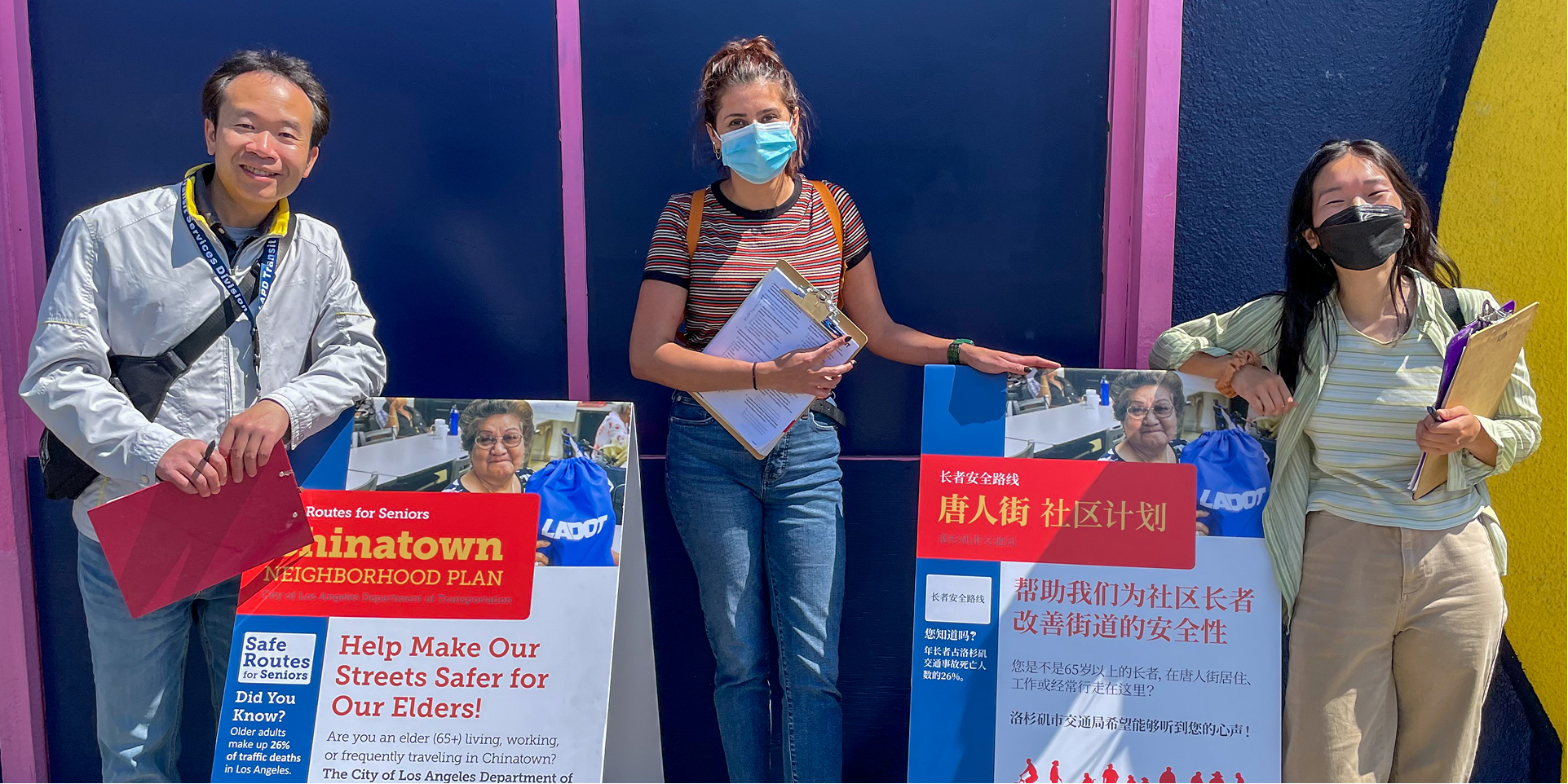
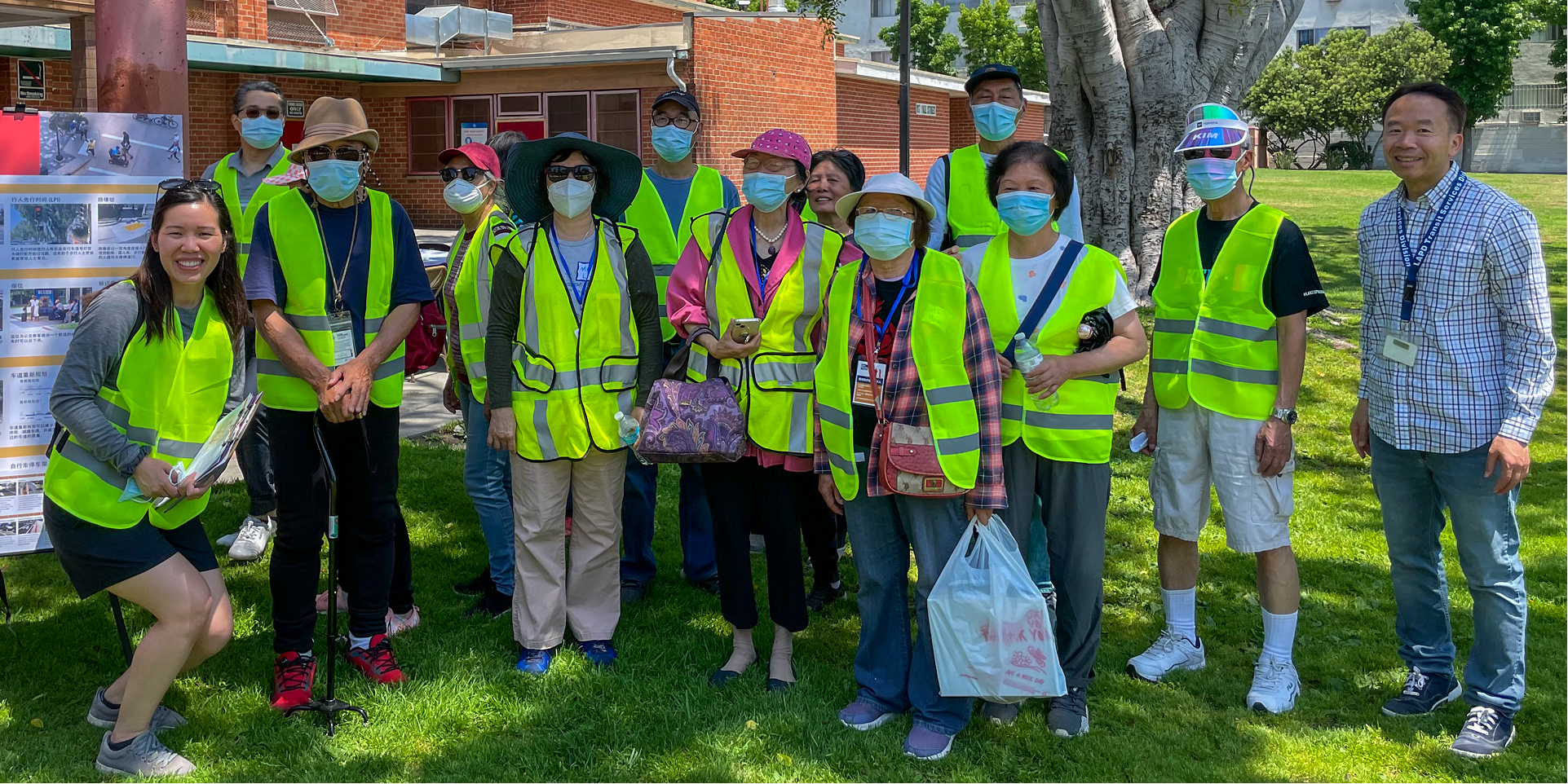
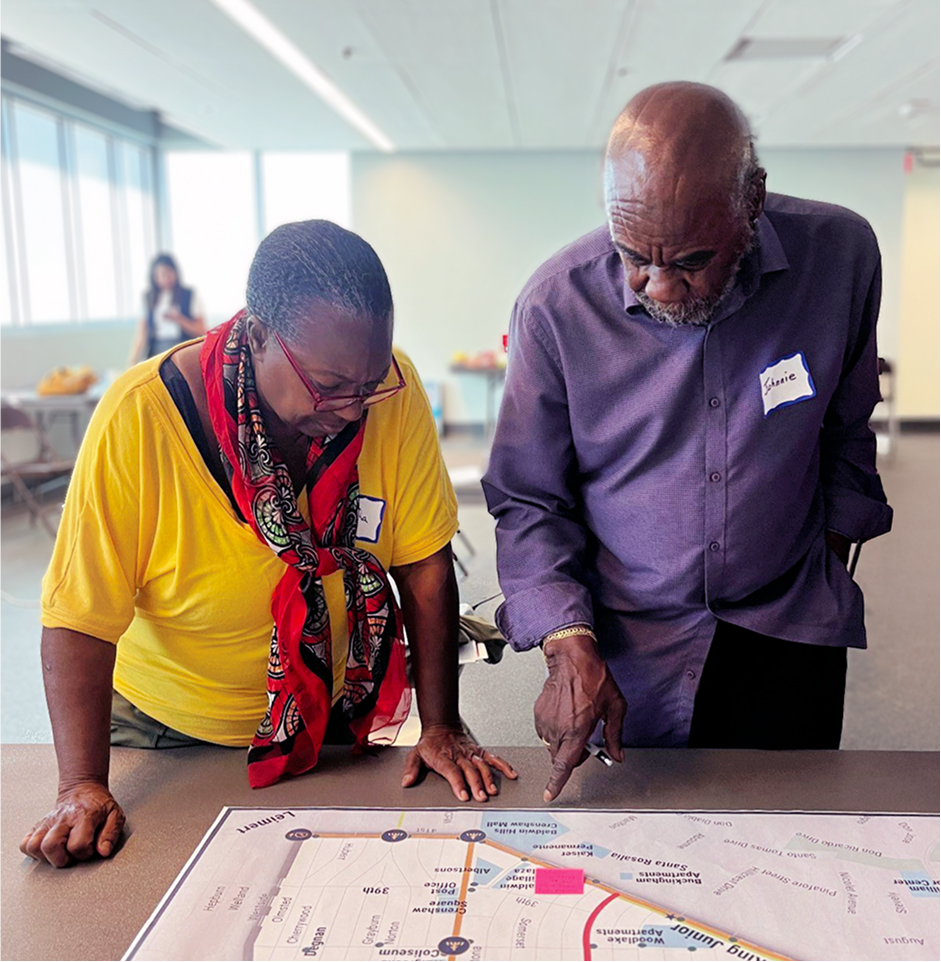
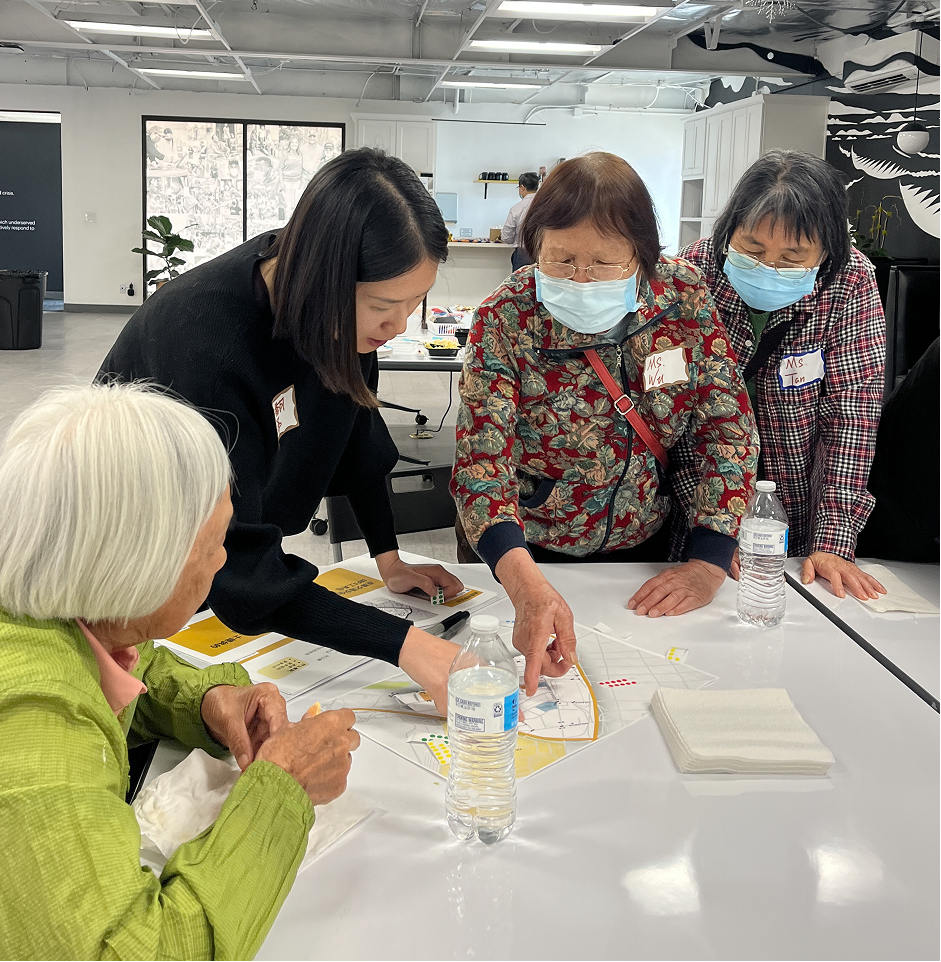
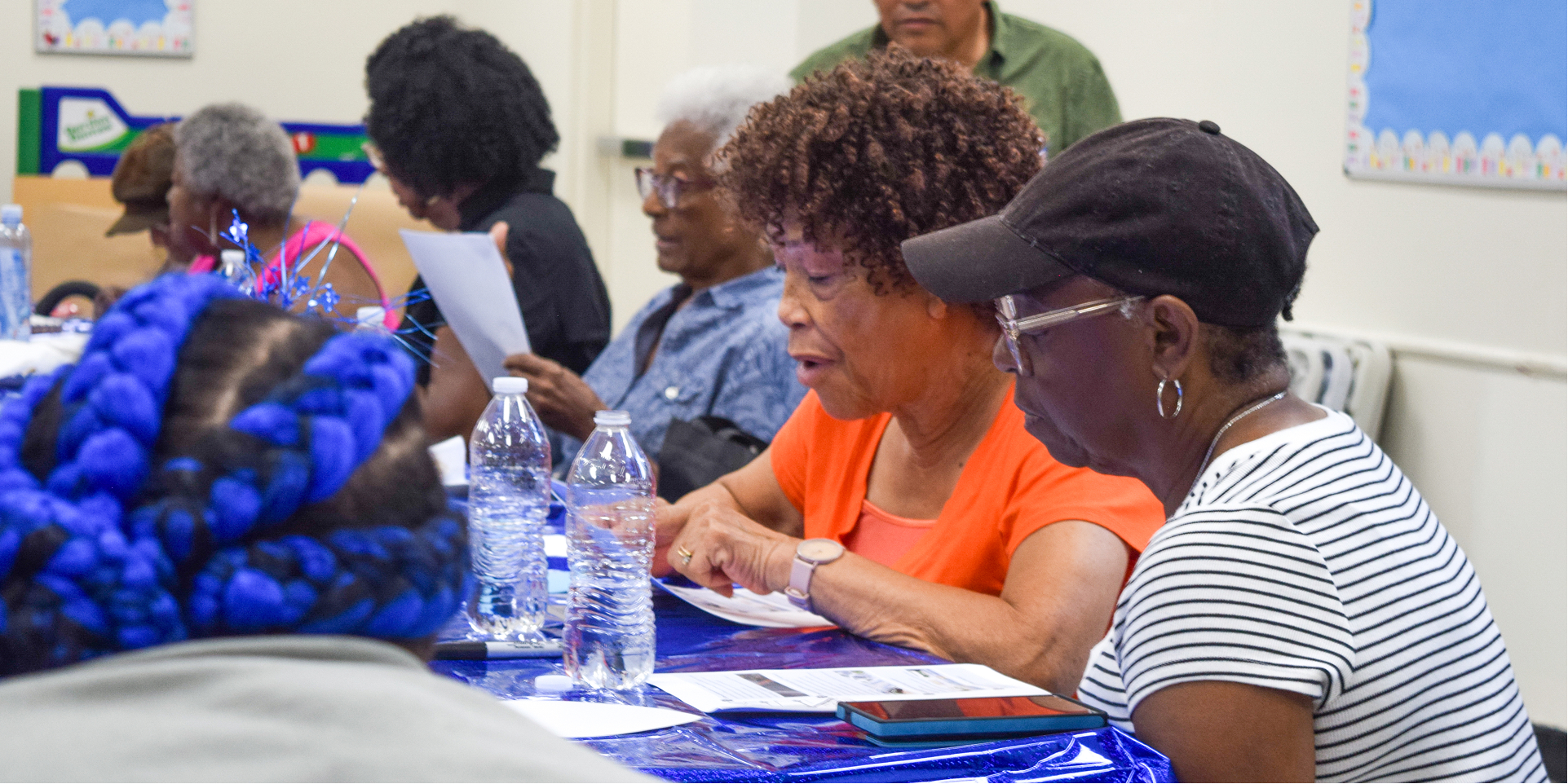
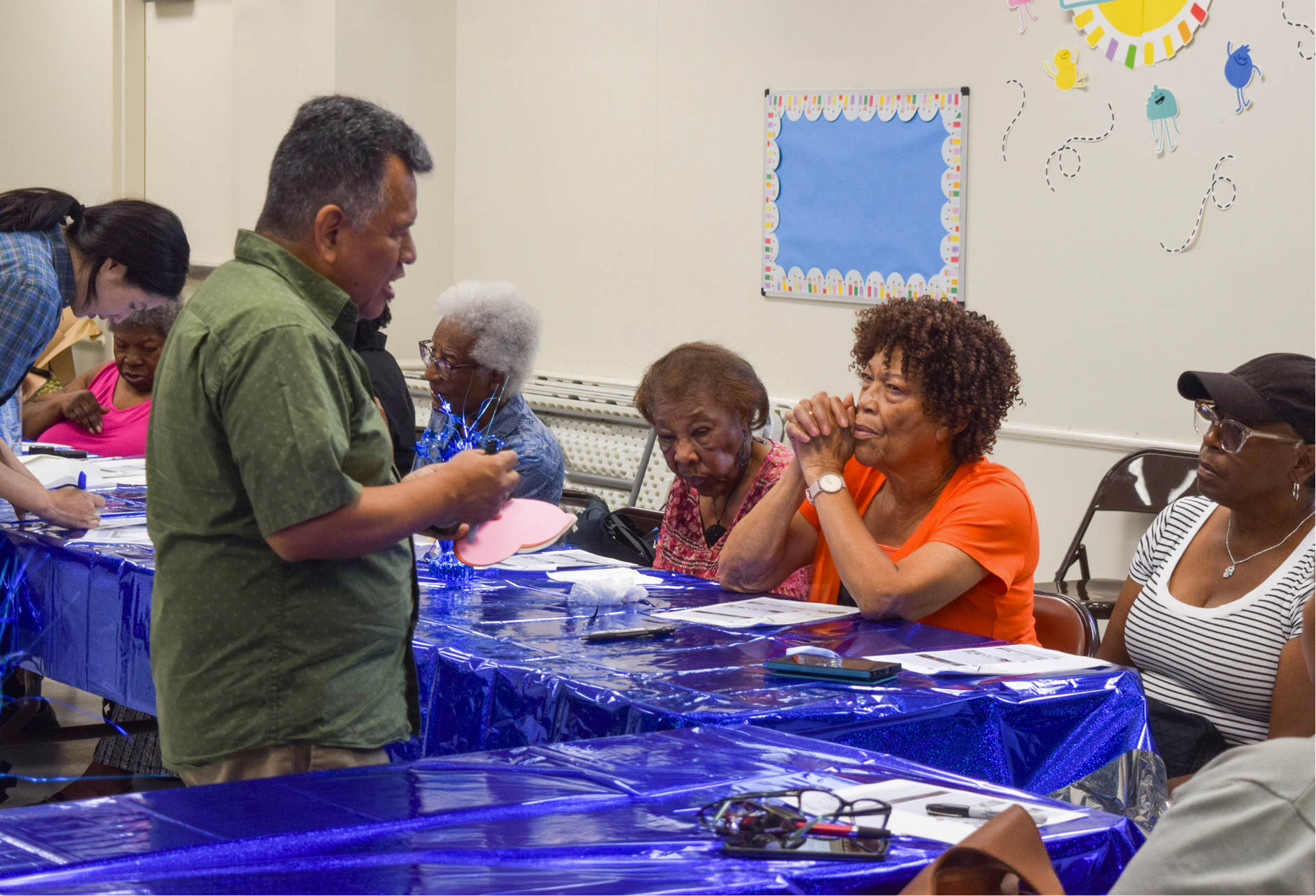
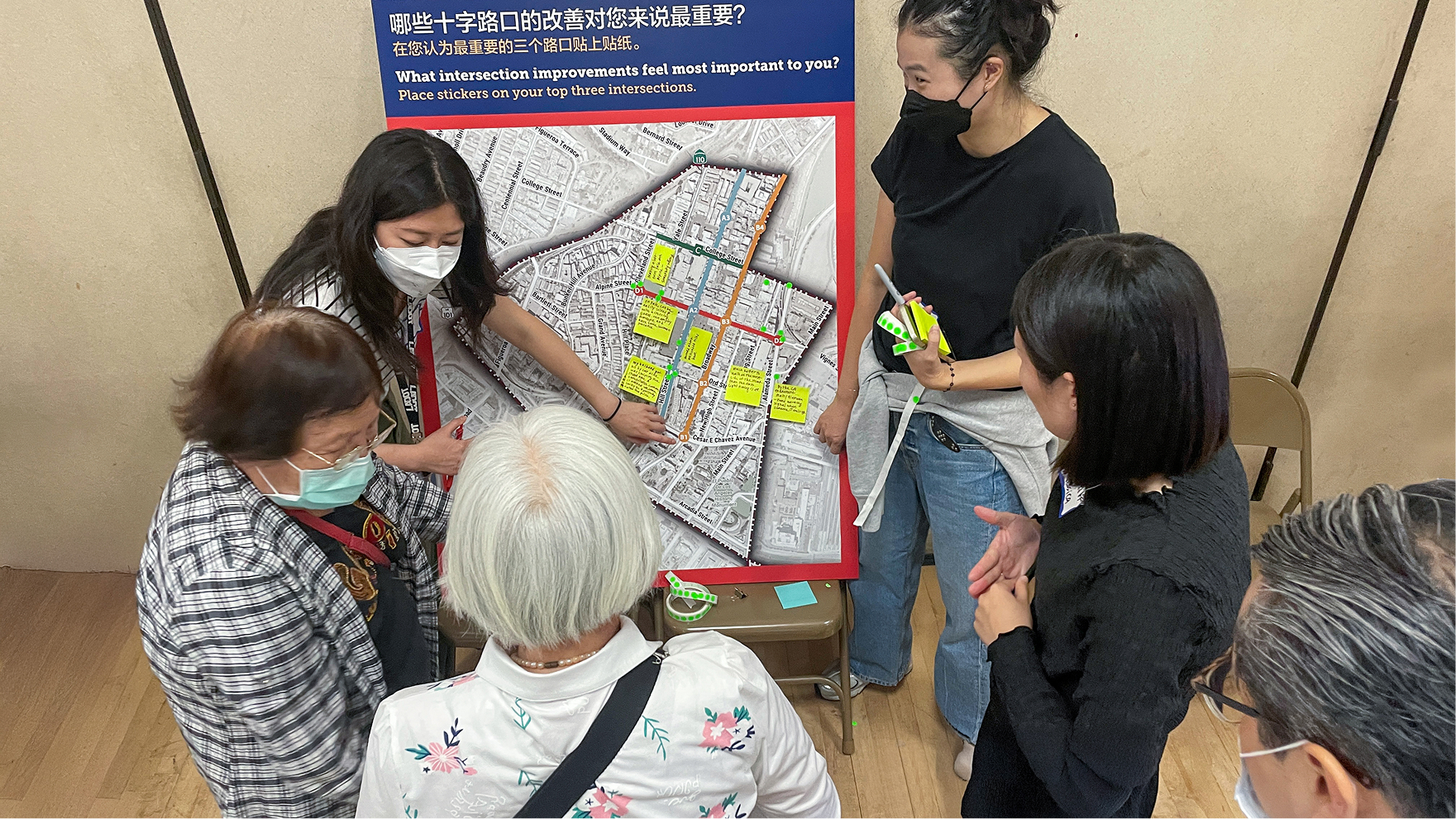
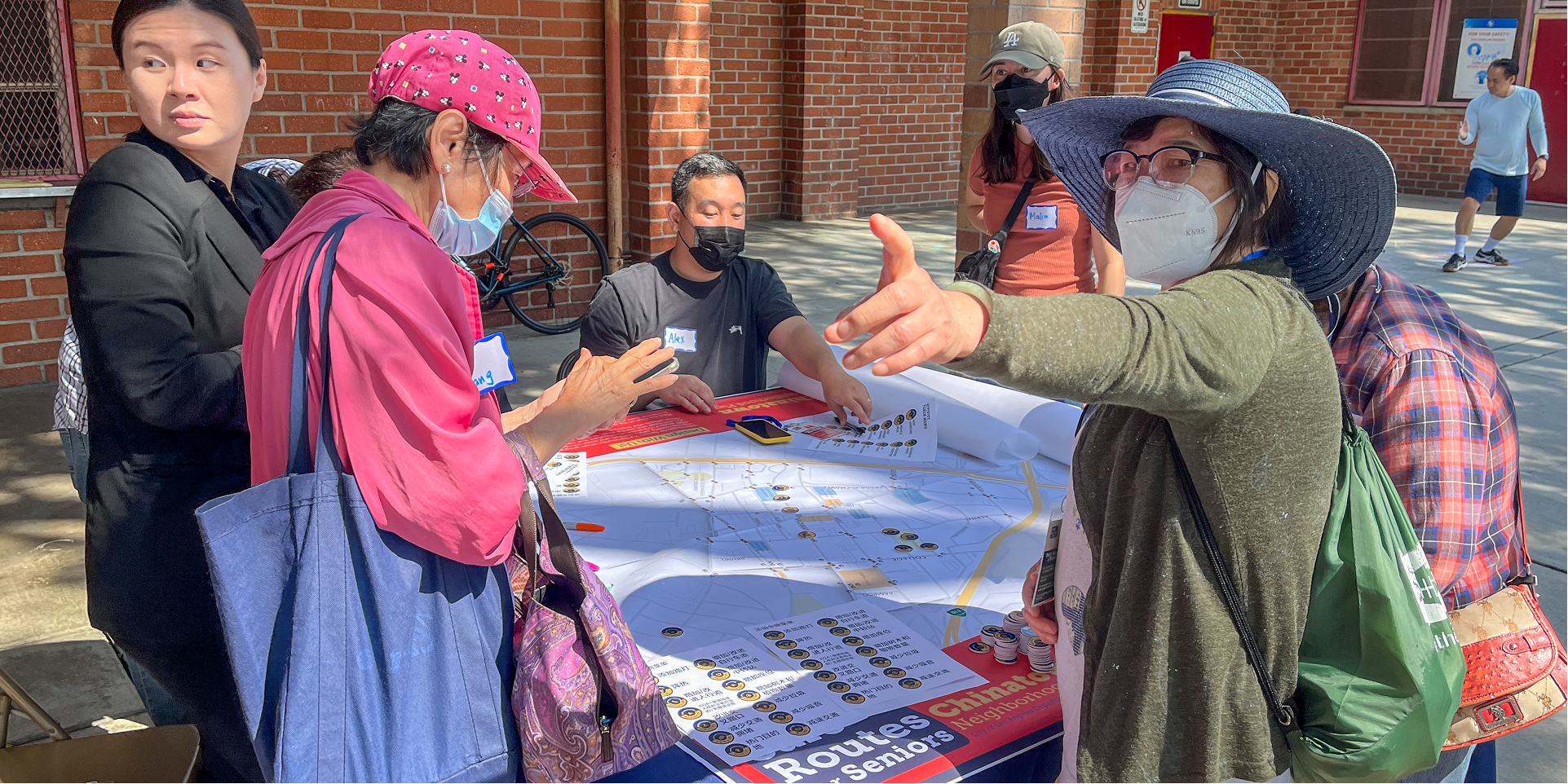
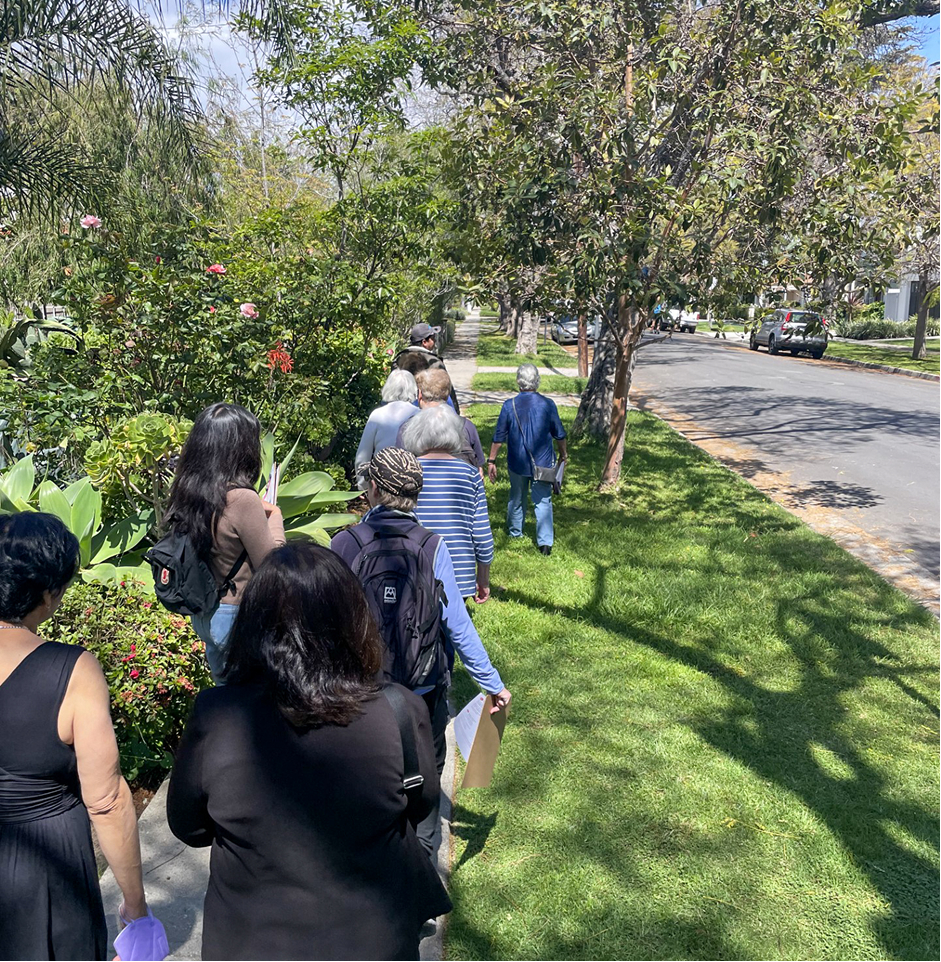
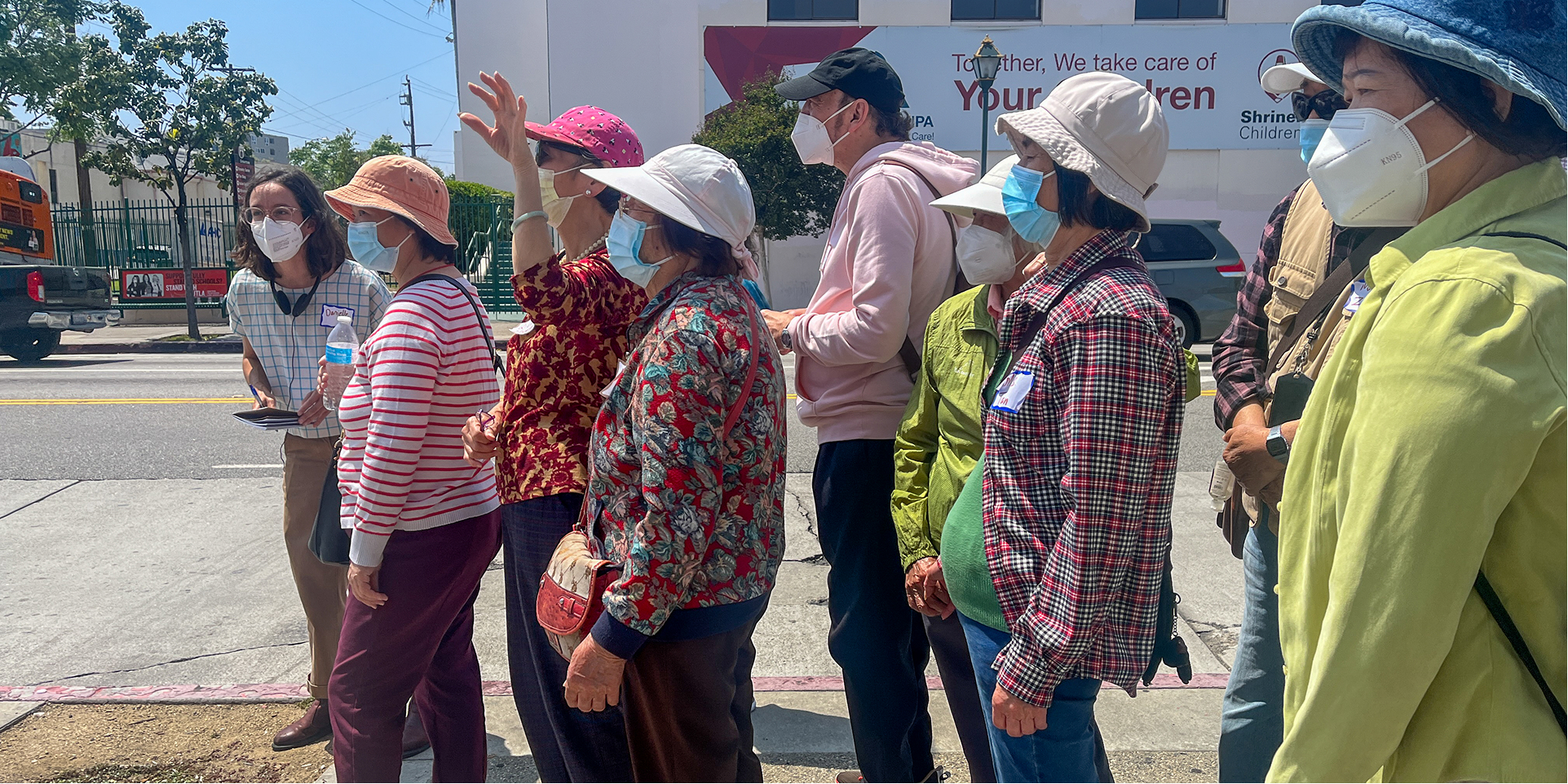
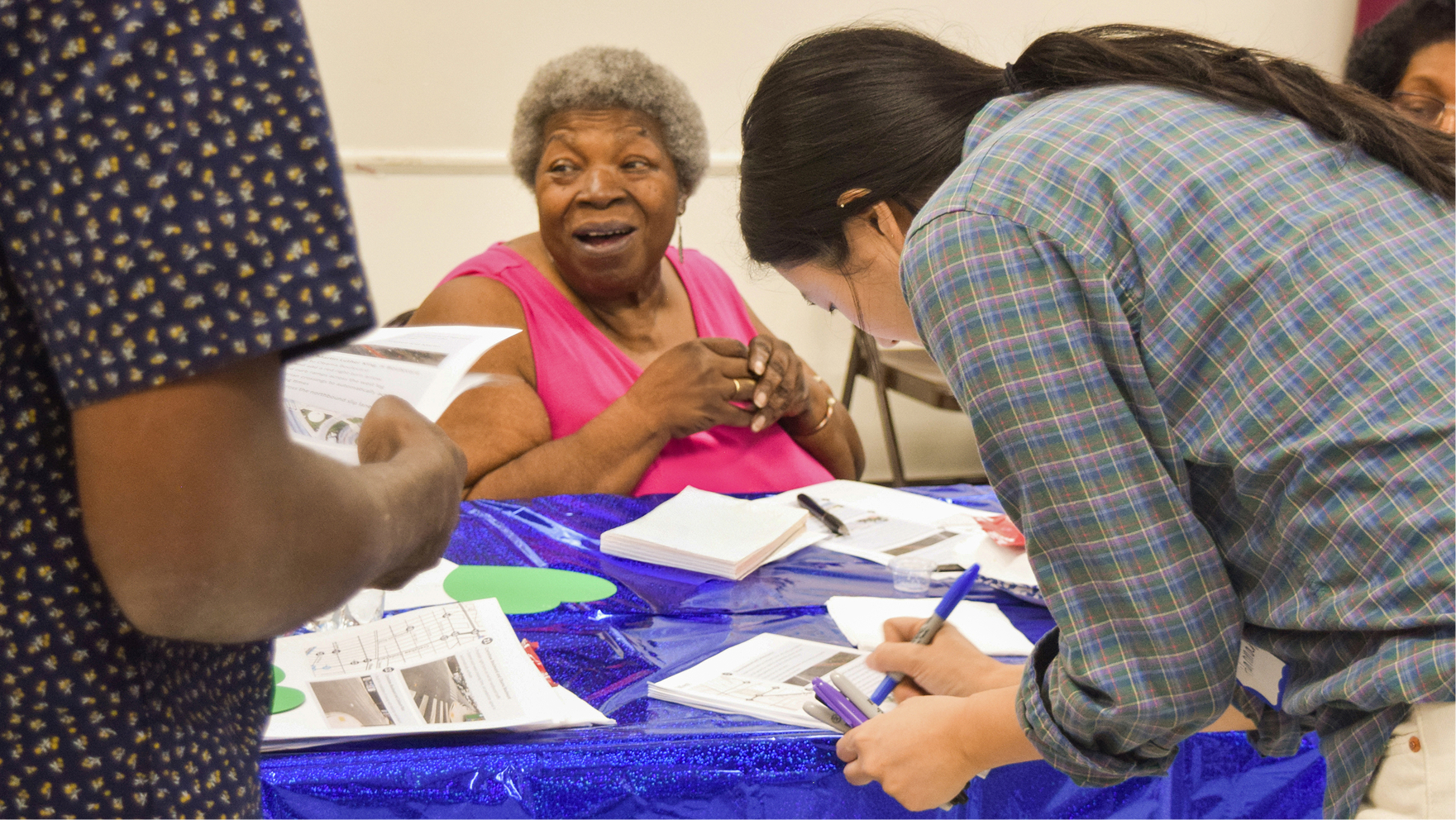
City Fabrick led the development of tailored community engagement strategies for each neighborhood, with a focus on trust, capacity building, leadership development. Engagement activities included surveys and canvassing, Community Leadership Committees composed of older adult leaders, community workshops, walking tours, and neighborhood celebration events. This multi-faceted approach ensured consistent community touchpoints throughout the three-year project and that final recommendations reflected the priorities of the communities most impacted.